What Shifted in How I See My Role as a Designer After DDX?
Recently I attended DDX, a UX and innovation conference in Dubai.
I didn’t go looking for shiny tools or trend forecasts. I walked in with a question that’s been sitting in the back of my mind for months:
Where do designers sit when AI becomes part of the product, not just a feature?
DDX didn’t give me a neat answer. There isn’t one. But it sharpened the question.
Here’s where I’ve landed: When AI becomes part of the product, designers sit at the layer where human intent meets machine capability. Not just at the interface. Not just in the flow. In the translation.
AI can generate, predict, and automate. But what it should do, how confident it appears, how it recovers when it’s wrong, and how much control the user keeps. That’s still shaped by humans. That’s the work.
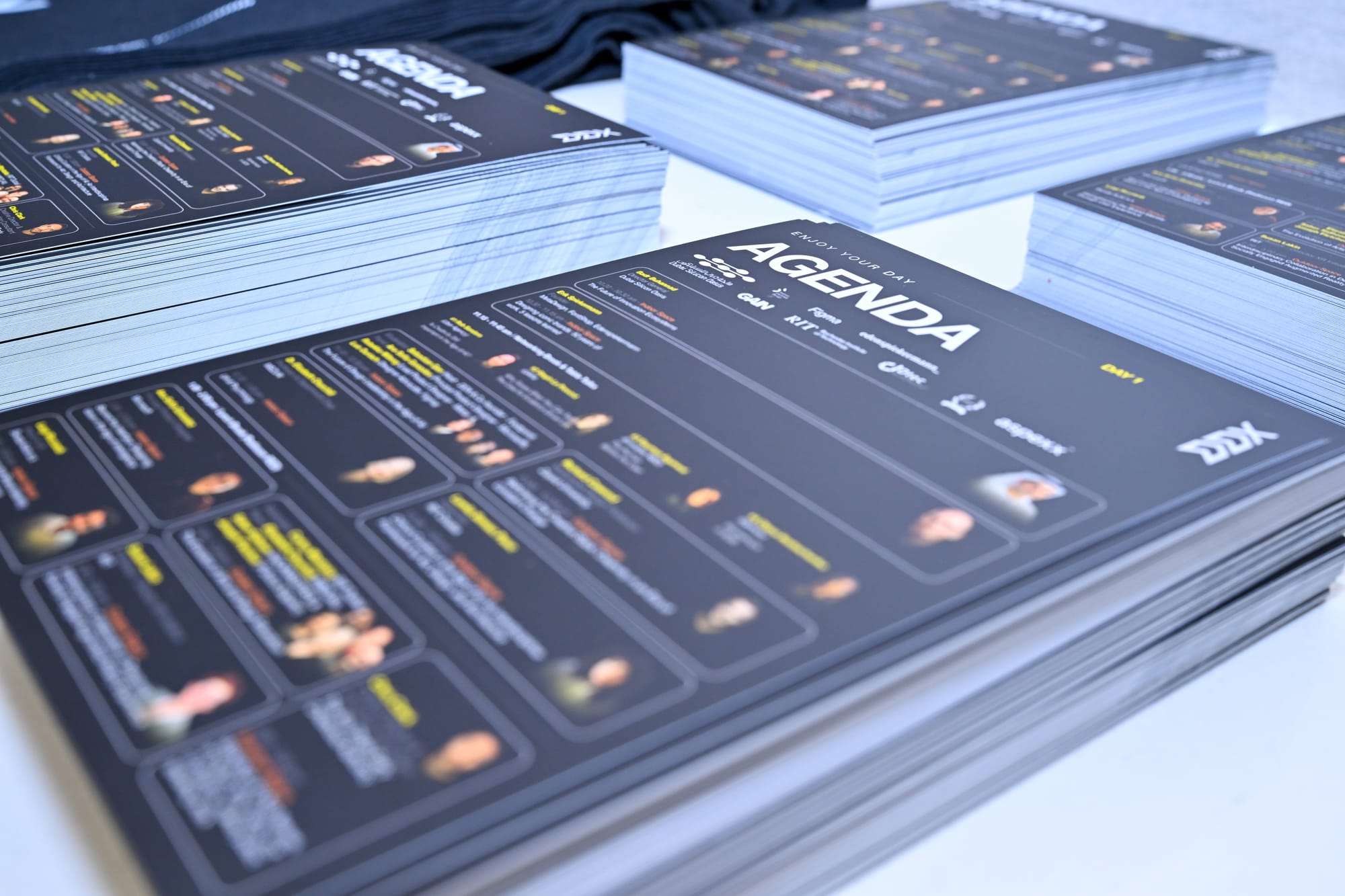
Upstream is the new frontier
Across the talks, I kept noticing how often the conversation drifted upstream. Before the screen. Before the solution.
Speakers like Jonathan Steingiesser, Founder of Human Centred Design Meetup, and Chris Clark, Innovation Lead at Abu Dhabi Early Childhood Authority, framed storytelling as infrastructure, not decoration. The way we define the problem quietly determines what gets built.
That theme came through again during the panel on design leaders and design contributors with Brenton Price, Senior Manager of Experience at PureHealth, Janna Tenenbaum, Head of Product Design at SteerAI, and Ahmad Iqbal, MENA Head at Canva. The conversation wasn’t about hierarchy or titles. It was about influence. About how contributors shape direction through clarity of thinking, not just output.
Strategy isn’t reserved for leadership roles. It’s shaped by those who ask better questions earlier.
That exposed a blind spot for me..
I’ve always cared about craft. But I realised how much influence lives in shaping the question, not just refining the answer. It made me rethink how I’ll approach my next project. Less rushing to solutions. More time clarifying intent.
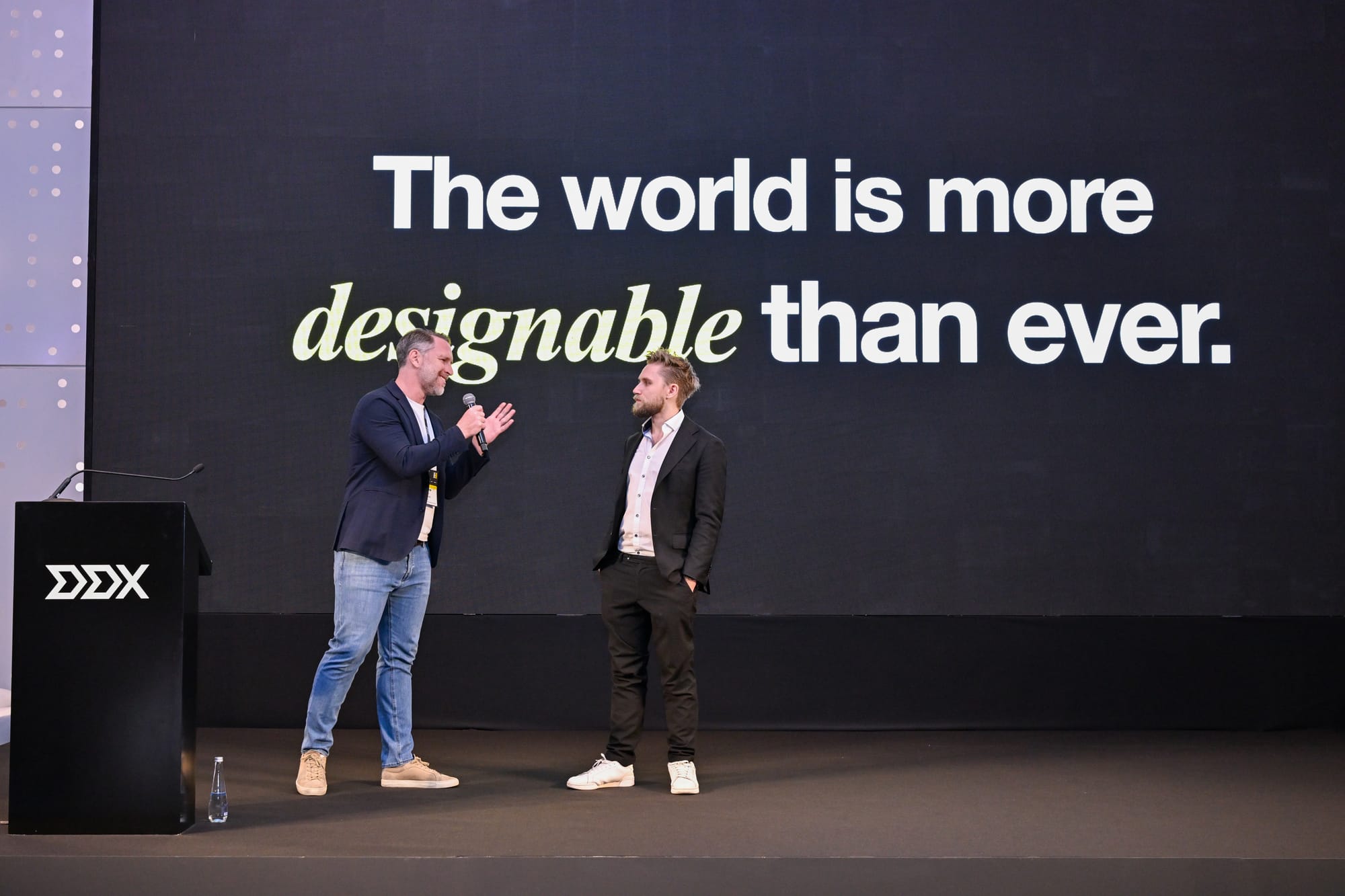
Watching a legend in real time
Watching Don Norman, Co-Founder and Board Member of Nielsen Norman Group, talk was a genuinely cool moment. As designers, we reference him constantly. Seeing someone often called the founding father of UX answer live questions from the crowd felt surreal.
His reminder that design influence starts before execution confirmed that designers don’t have to wait to be invited into strategy. Even as an early career designer, stepping into those conversations is part of the job.
I’m thinking less “UI/UX designer” and more Product Designer in mindset. Not just designing screens, but shaping systems and outcomes.
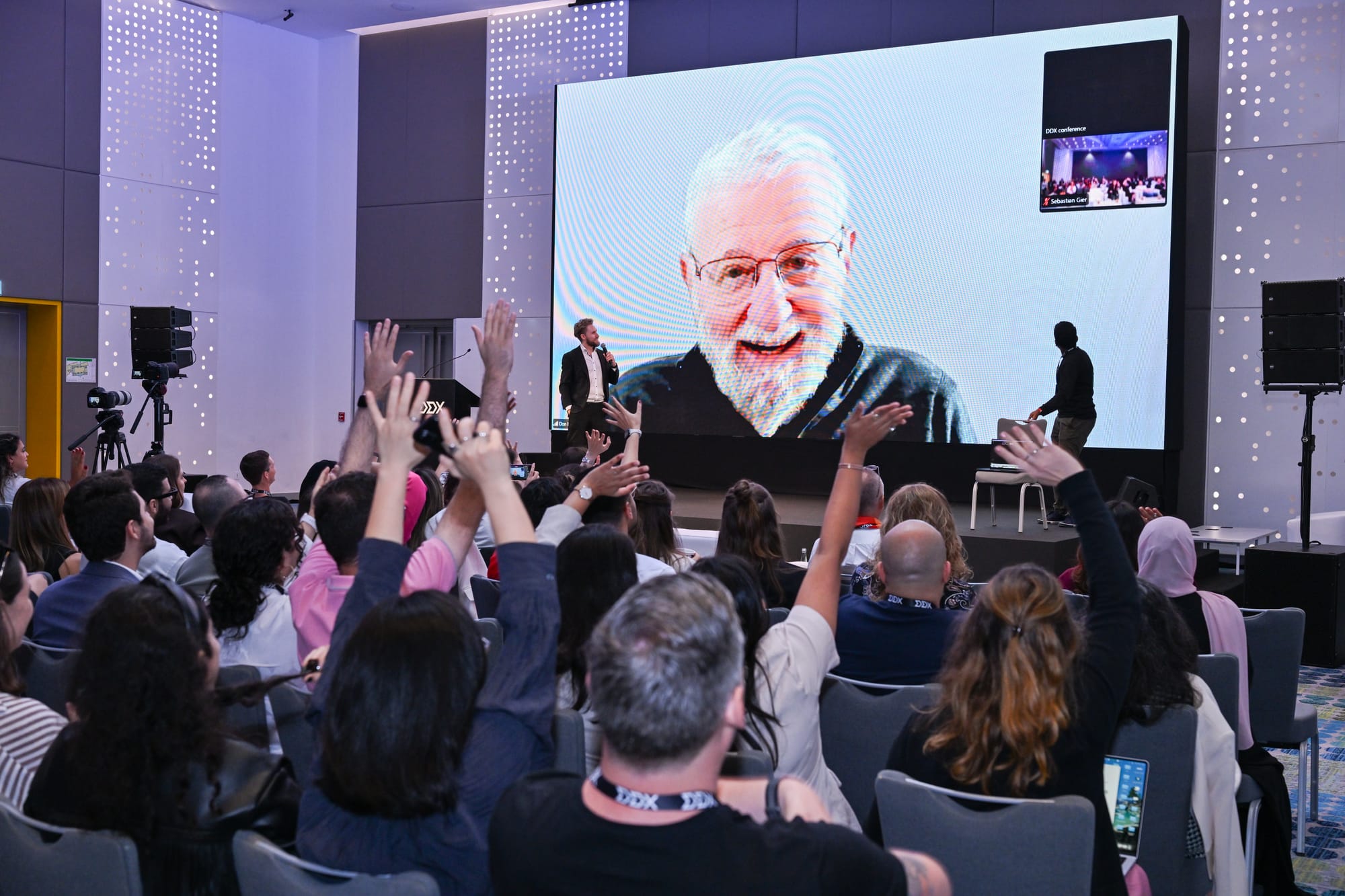
AI is not the feature. It’s the fabric.
The AI discussions were refreshingly grounded. Ana Sofia Gonzalez, Principal Product Designer at Microsoft Copilot, and Rebekka Quiroz Wiberg, Lead Product Designer at Meta, focused less on spectacle and more on responsibility.
If AI becomes embedded in the interface, trust becomes core work. Guardrails. Recovery paths. Clarity. These aren’t edge cases anymore. They’re design materials.
Luis Ouriach, Design Advocate at Figma, reinforced that perspective in his Figma Make workshop. By showing how MCP (the design system connecting structured components to the code base) turns prompts into predictable outputs, he made AI feel less mystical and more operational. The takeaway wasn’t about mastering another tool; it was about understanding systems well enough to guide AI effectively.
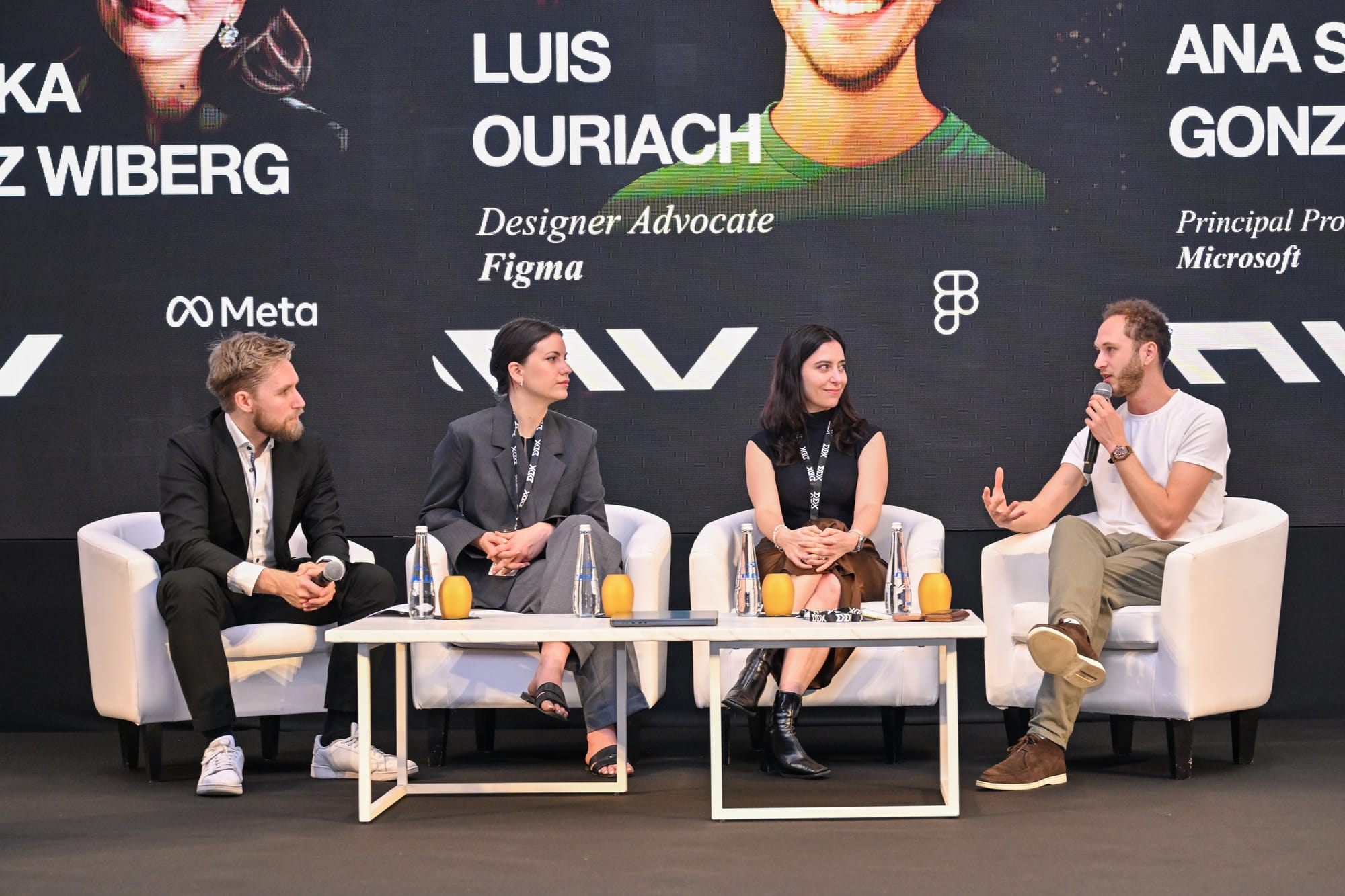
I left DDX thinking less about features and more about responsibility.
I want to speak up earlier. Shape problems more deliberately. Design AI experiences with trust as a first principle.
The shift isn’t dramatic. It’s subtle, but it’s real. DDX felt less like a highlight reel and more like a checkpoint. A recalibration.
Our role as designers is expanding. The only real choice is whether we step into that expansion on purpose.
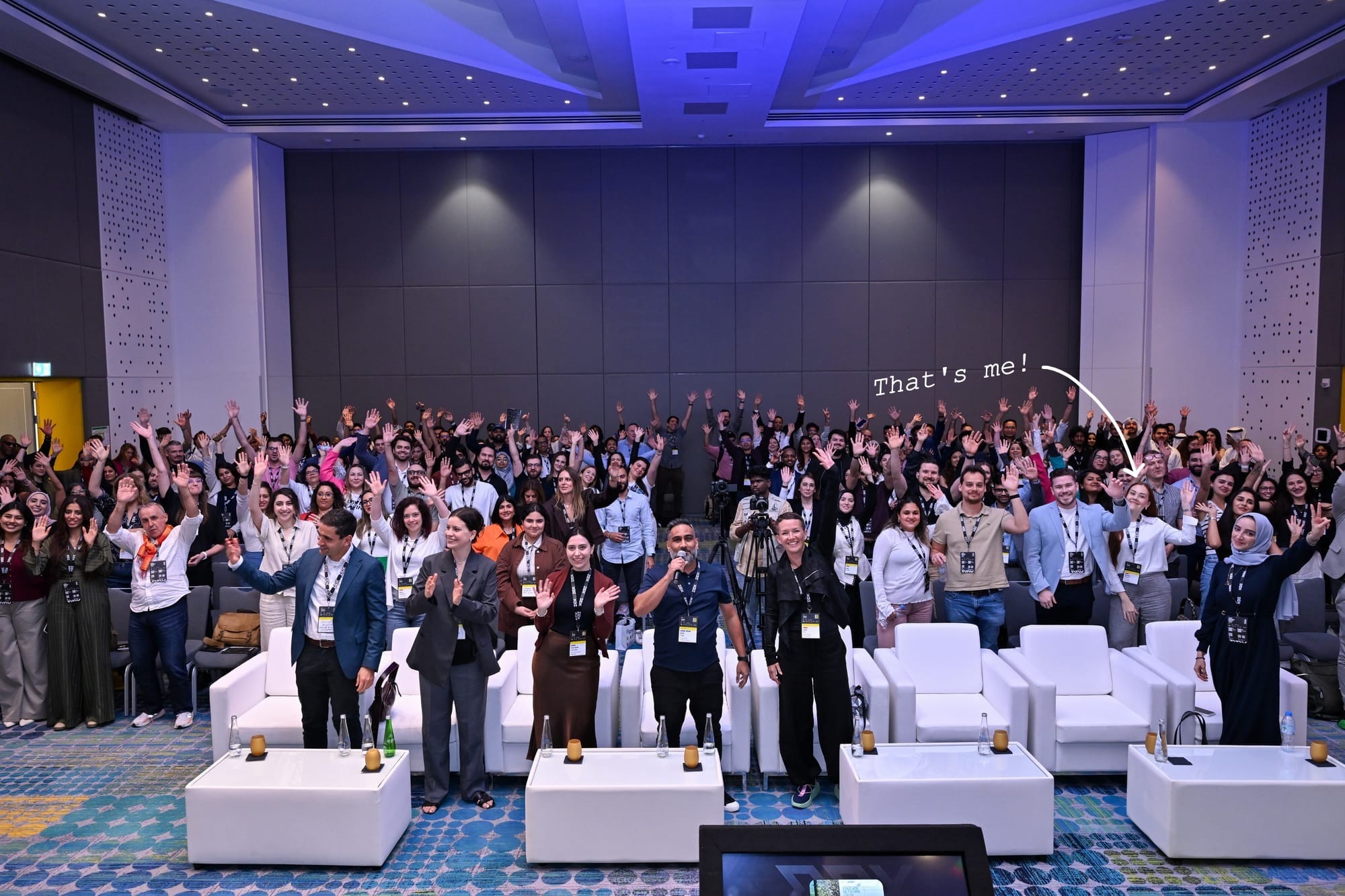
Photos in this post are courtesy of the DDX team. Thank you for capturing the conference.